If you want a place that feels active without feeling overwhelming, Towson deserves a closer look. You get a county-center setting with established residential streets, campus energy, dining options, shopping, and access to parks all in one area. Whether you are thinking about buying, renting, or simply getting to know the community, this guide will help you understand what everyday life in Towson looks like. Let’s dive in.
What living in Towson feels like
Towson is the county seat of Baltimore County and home to 59,553 residents across 14.15 square miles, according to the U.S. Census QuickFacts for Towson CDP. County planning materials describe it as Baltimore County’s urban area, while Towson University places it about eight miles north of downtown Baltimore.
That mix helps explain Towson’s character. It is not just a college town, and it is not purely suburban either. Instead, you get a layered setting where tree-lined residential streets, town-center activity, and institutional anchors all work together.
Towson also has a fairly established residential base. Census data show 23,262 households, an average of 2.21 people per household, and 81.6% of residents living in the same house one year earlier. That suggests a community with both day-to-day movement and long-term roots.
Towson housing options
Towson’s housing stock is broad rather than one-note. Based on Census QuickFacts, the area has a 55.6% owner-occupied housing rate, a median owner-occupied home value of $469,000, and a median gross rent of $1,764. For you, that means Towson supports both ownership and rental lifestyles.
Historic and established homes
Some parts of Towson reflect deep local history. Baltimore County historic survey materials for East Towson describe one of the county’s oldest African American enclaves, with late-19th- and early-20th-century Queen Anne, Gothic Revival, and Craftsman homes, along with twin dwellings on narrow lots that helped create lower-cost housing.
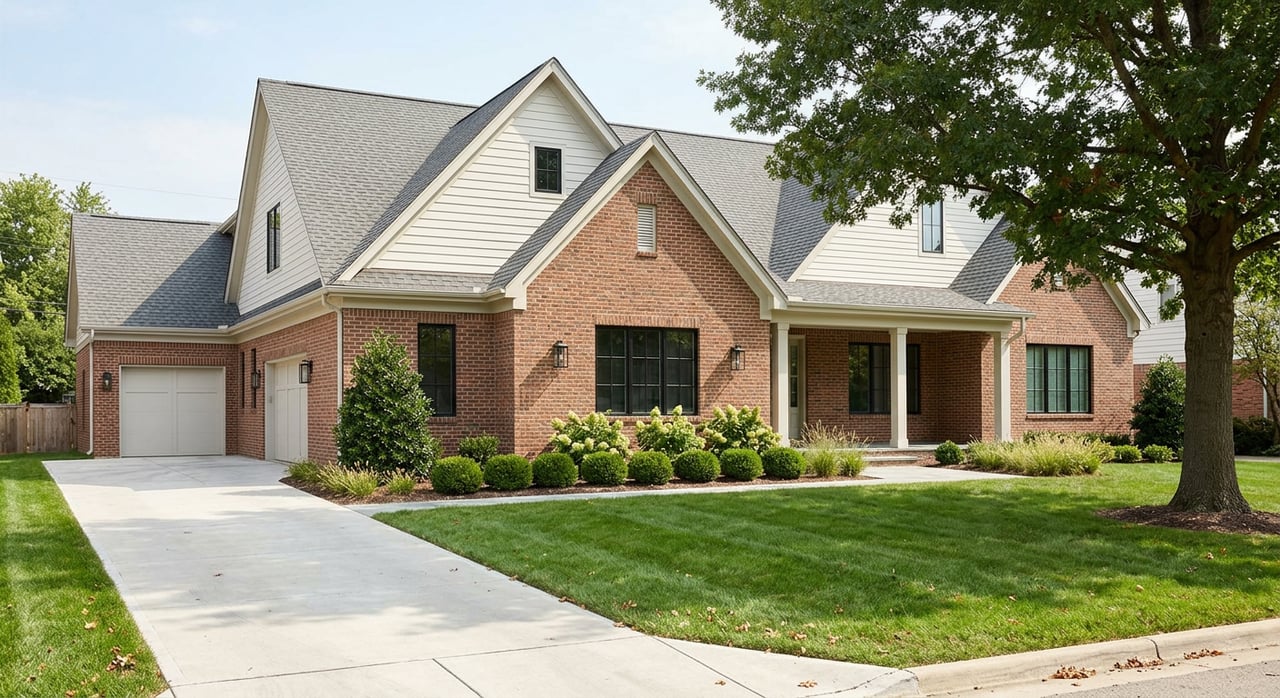
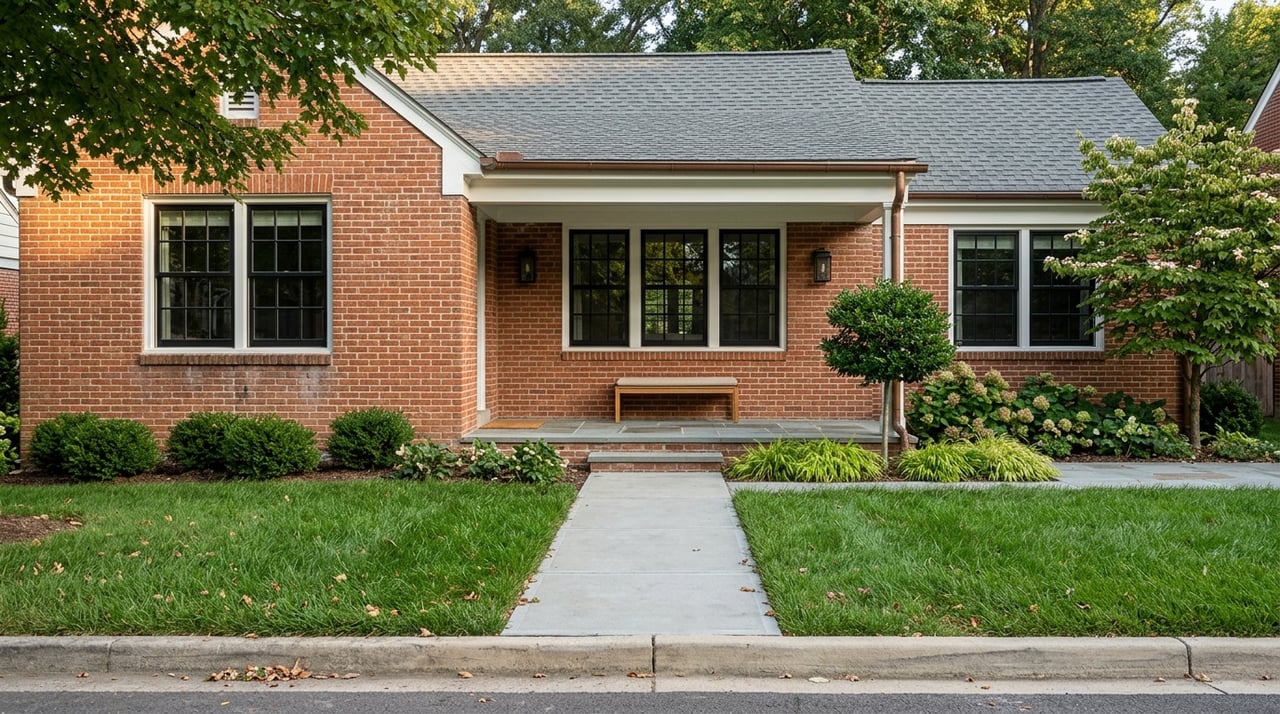
Elsewhere, county materials point to established mid-century neighborhoods such as West Inverness, which was originally developed in the 1950s. Together, these areas show that Towson includes older detached homes, smaller historic housing patterns, and long-standing residential streets with a distinct sense of place.
Apartments, condos, and infill growth
Towson is also evolving. Baltimore County’s master planning materials note that the urban core is becoming more of a residential center, with several apartment, condominium, and mixed-use developments.
That trend continues with projects like Loch Raven Overlook, a planned 122-unit property in Towson. County housing reforms have also encouraged more townhome production and more affordable units in supported projects. If you want lower-maintenance living or a more urban setup near shops and services, that growing mix may be appealing.
Who Towson may appeal to
Towson can work for a range of lifestyles because it is not built around one age group alone. Census figures show 17.8% of residents are under 18 and 18.0% are 65 or older, which points to a broader population than many people expect from an area with a university presence.
The community also reflects strong educational attainment and household income levels. According to Census QuickFacts, 69.3% of adults hold a bachelor’s degree or higher, and the median household income is $101,320.
For buyers and renters, the practical takeaway is simple. Towson offers a combination of convenience, established neighborhoods, and varied housing types that can appeal to professionals, households seeking room to grow, and people who want a central location with amenities close by.
Dining in Towson
One of Towson’s biggest lifestyle strengths is how much you can access in a relatively compact area. Towson University dining highlights 16 on-campus dining locations and three dining halls, with menus that include ethnic and international cuisine plus vegetarian, kosher, and halal options.
Off campus, the same source notes Thai, Japanese, Italian, American, and other cuisine within walking distance of campus. That variety supports the idea that Towson offers more than a few isolated dining pockets. Instead, restaurants are part of the everyday rhythm of the area.
Goucher College also describes Towson as a college town with live music venues, cafes, international cuisine, and a large shopping mall alongside local boutiques. If you enjoy being able to meet friends for dinner, grab coffee, or run errands without planning a full day around it, Towson’s layout can feel convenient and easy to use.
Shopping and daily convenience
Towson Town Center is a major anchor for the area’s retail life. According to Towson Town Center, the mall includes more than 180 stores along with signature dining experiences.
That concentration of retail and services adds to Towson’s practical appeal. You are not looking at a place where every errand requires a long drive. Between the town center, campus-adjacent businesses, and nearby everyday services, Towson often feels more connected and efficient than a purely residential suburb.
Culture and community life
Towson’s cultural side is stronger than many people realize. Towson University says more than 800,000 people visit campus each year for educational, cultural, recreational, and athletic activities, and it also notes that arts programming is open to the public.
That matters if you want more than housing and shopping. Public events, performances, lectures, and sports can add activity to your routine without requiring a trip far from home.
Another steady local institution is the Towson branch of the Baltimore County Public Library at 320 York Road. Community traditions such as the Friends of Towson Library book sale add another layer to neighborhood life and show how civic spaces still play a role in the area.
Historic places and traditions
Towson also carries visible history. The Hampton National Historic Site preserves part of a once-25,000-acre plantation and offers tours and grounds access, giving residents and visitors a way to connect with the area’s past.
In East Towson, the Carver Community Center remains a historic landmark and community hub tied to one of Baltimore County’s first schools for African American students. Downtown traditions continue too, with the Towson Chamber promoting the annual Towsontown Spring Festival as a major local event.
Parks and outdoor access
If you want green space close to an active town center, Towson offers that balance. Cromwell Valley Park spans 460 acres of stream valley and upland habitat just minutes from downtown Towson.
That kind of access can make a real difference in daily life. You can enjoy trails, open space, and a break from busier commercial areas without heading far outside the community.
For many buyers, this is part of Towson’s appeal. You are not choosing between convenience and breathing room. In many cases, you can have both.
Getting around Towson
Mobility is another practical advantage. Baltimore County’s age-friendly materials identify the free Towson Loop as a local circulator, and Goucher College notes free shuttles around Towson and downtown Baltimore.
That does not mean every trip will be car-free, but it does show that local connections are part of how the area functions. For you, that can translate into easier access to shopping, campuses, services, and community destinations.
Why Towson stands out
Towson works best when you think of it as a layered community instead of a single-style neighborhood. County planning documents describe a place where downtown energy, historic communities, established residential streets, park access, and mixed-use redevelopment all coexist.
That balance is what gives Towson its lifestyle appeal. You can find older homes with character, mid-century neighborhoods, apartment and condo options, major shopping, dining variety, cultural activity, and nearby green space within the same broader area.
If you are weighing where to live in the Baltimore area, Towson offers a compelling middle ground. It feels connected and active, but it also has the everyday structure and residential foundation many buyers and renters want.
If you are thinking about buying or selling in Towson or anywhere in central Maryland, working with a team that understands how lifestyle, housing mix, and local positioning come together can make your next move more strategic. Connect with Alexandra Ryan for thoughtful, high-touch guidance tailored to your goals.
FAQs
What is Towson, MD known for as a place to live?
- Towson is known for blending established residential areas, a busy town center, university-related activity, shopping, dining, and access to parks within one community.
What types of housing can you find in Towson, MD?
- Towson includes historic homes, detached houses on established streets, mid-century neighborhoods, apartments, condos, mixed-use developments, and newer infill housing.
What is the median home value in Towson, MD?
- According to U.S. Census QuickFacts, the median owner-occupied home value in Towson is $469,000.
Are there many dining and shopping options in Towson, MD?
- Yes. Dining options are concentrated around campus and the town center, and Towson Town Center includes more than 180 stores plus dining destinations.
Does Towson, MD have parks and cultural attractions?
- Yes. Towson offers access to Cromwell Valley Park, public arts and athletic programming through Towson University, the Towson library branch, Hampton National Historic Site, and community events such as the Towsontown Spring Festival.