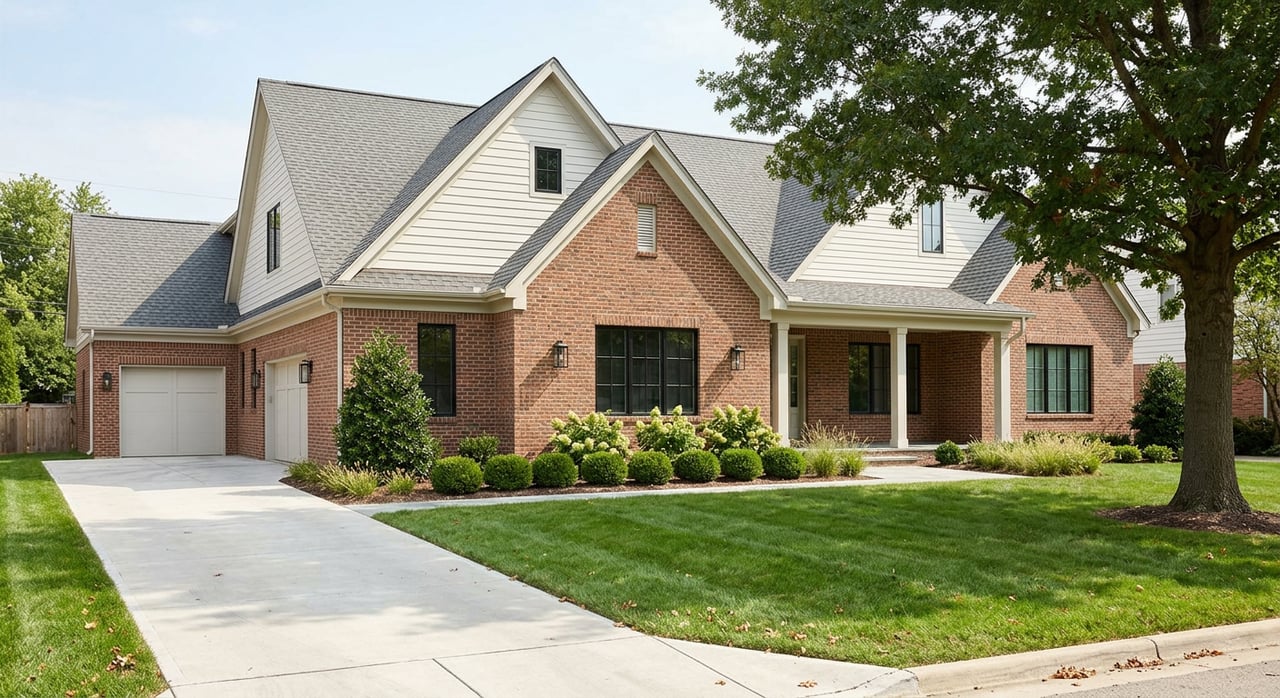
If you have been dreaming of a custom home on a peaceful West Friendship lot, you are not alone. Building here can be deeply rewarding, but rural lots come with unique rules and steps you do not see in typical neighborhood purchases. In this guide, you will learn how to vet land, confirm utilities, navigate permits, and plan a realistic budget and timeline for new construction in West Friendship. Let’s dive in.
Why West Friendship lots differ
West Friendship sits in Howard County’s semi-rural west, so many parcels rely on private wells and on-site septic rather than public water and sewer. That affects everything from your lot search to builder plans and permits. You also need to consider environmental features like streams, wetlands, and existing tree cover that can change what and where you can build. The key is to verify buildability before you sign.
Start with zoning and title
Begin with Howard County’s online mapping tools. Use the county’s interactive map to look up the parcel’s zoning district, overlays, recorded plats, scanned drawings, and any prior development cases. Save the parcel ID and plat references so your team can run deeper checks later. You can launch the map from the county’s site using the Howard County interactive map.
Zoning alone does not guarantee you can build. Howard County’s Subdivision and Land Development rules in Title 16 govern lot creation, required building envelopes, and when a recorded lot may be labeled nonbuildable until a health officer approves a private system. If the lot was not legally created under current rules, you may need a new subdivision or plan step. You can review these regulations on the county’s Regulations and Manuals page.
Also review recorded restrictions and easements. Agricultural preservation easements, utility easements, conservation easements, and rights-of-way can limit your site plan or subdivision potential. Ask the listing agent for recorded plats and covenants, and request a buildable-lot determination from the Department of Planning and Zoning if there is any doubt.
- Explore zoning and plats: Howard County interactive map
- Subdivision and site plan rules: Regulations and Manuals (Title 16)
Confirm water and sewer
Before you order tests, confirm the water and sewer situation. In much of West Friendship you should expect private well and septic, but some parcels may sit inside a county service area. The Bureau of Utilities can help you confirm public service availability, tap fees, and any required agreements. If the lot is outside a service area, your path will rely on a successful perc test and approved private systems.
- Water and sewer service questions: Public Works Customer Service
Test wells and septic
If there is no public sewer, on-lot sewage disposal is a central gatekeeper. Howard County’s Well and Septic Program manages perc testing, septic plan review and inspections, wet-season testing windows, and private well water testing. A successful perc and an approved septic design are often prerequisites to a building permit. Your due diligence should include a health department file search for prior perc results or a new perc application if none exist. Build your contract timeline around any wet-season testing windows.
- Perc tests, septic plans, and well guidance: Howard County Well and Septic Program
Check soils and flood risk
Soils influence everything from septic type to foundation design and erosion risk. Run a parcel report on the USDA NRCS Web Soil Survey to review drainage class, depth to bedrock, and known limitations. If the report flags concerns, follow up with a local geotechnical professional or soil scientist and budget for alternative septic systems if required.
Floodplain and wetlands checks are just as important. Use FEMA’s Map Service Center or the county’s digital FIRM resources to confirm whether any part of the site lies in a Special Flood Hazard Area. Floodplain status affects setbacks, stormwater requirements, flood insurance, and can limit or prohibit septic fields in certain areas.
- Parcel soils report: USDA Web Soil Survey
- Flood maps and tools: FEMA Map Service Center
Understand forest rules
Howard County enforces the Maryland Forest Conservation Act. If your project clears regulated forest or impacts specimen trees, you may need a Forest Conservation Plan and either plantings or a fee-in-lieu. Many sites also carry recorded forest conservation easements that permanently protect areas of the lot. Ask if the property has a prior or pending Forest Conservation Plan and confirm whether any conservation easements are on title.
- Forest Conservation guidance: Howard County Forestry
Permits and typical timelines
Most permits, plan reviews, and inspections flow through the Department of Inspections, Licenses and Permits. The county uses electronic submittals and scheduling through the Accela portal. For raw lots, you may also need grading and erosion control approvals that depend on an Erosion and Sediment Control plan. Plan completeness and site complexity drive review times.
A typical sequence looks like this for a single-family home on a new lot:
- Pre-purchase due diligence: title and plat review, mapping checks, water and sewer confirmation, and a perc application if no public sewer.
- Subdivision or site plan actions if required by Title 16 for lot legality or site development.
- Grading, erosion, and stormwater approvals. Surety and agreements may apply.
- Septic and well approvals from the Health Department.
- Building permit application, plan review, inspections, and final U and O.
Permit timelines vary widely. Simple residential permits with complete plans can move in weeks. Projects that require subdivision steps, stormwater plans, or forest conservation can take several months. For the build itself, national data from the U.S. Census Bureau shows a common permit-to-completion range around 7 to 10 months for single-family homes. Custom work and rural site utilities often add time.
- Permits and inspections: Howard County DILP
- National build-time data: U.S. Census Survey of Construction
Costs and recurring fees
Your budget should cover land, due diligence, permits, site work, construction, and reserves. Expect permit fees, grading surety for erosion control in many cases, and potential stormwater or forest conservation mitigation costs if you clear regulated forest. If you connect to public systems inside a service area, plan for tap and connection charges and any developer agreements. If you go private, plan for well drilling, septic installation, and a designated reserve area.
Howard County posts the real property tax rate schedule so you can estimate annual taxes. Some areas also carry special charges related to water and sewer infrastructure. Always confirm whether the lot is in a special district before closing.
- Property tax overview and rates: Howard County Real Property Tax
Picking your builder
Choose a licensed, insured builder with recent local references. Ask for copies of recent certificates of occupancy or use and occupancy approvals, proof of insurance and workers’ compensation, and how they handle lien releases. Request a written schedule, a clear allowances sheet or fixed pricing, and a documented change order process. Tie draw payments to independent inspections and require lien waivers at each draw.
Clarify who pulls which permits and how inspections will be scheduled. Confirm warranty coverage and how claims are handled after closing. A clear, written contract reduces stress and helps your lender underwrite the build smoothly.
Financing new construction
You will typically see three products: a construction-only loan that you refinance at completion, a construction-to-permanent loan that converts to a long-term mortgage at the end, and a land or lot loan for raw acreage. Construction loans often require larger down payments, detailed builder contracts, and draws tied to inspection milestones. During the build, most loans accrue interest only on funds disbursed.
Ask lenders about draw schedules, required reserves, and subject-to-completion appraisals. Equity in your land can sometimes count toward your required investment. Keep a realistic contingency in your budget, often 10 to 20 percent, to handle unknowns such as septic design changes or utility surprises.
Step-by-step timeline
Here is a simple road map from contract to move-in. Your timing will vary based on site specifics, plan completeness, and agency workloads.
- Pre-contract due diligence (2 to 6 weeks): run the county interactive map, order a boundary survey, review plats and easements, confirm water and sewer status, request a health department file search or submit a perc application if needed, and ask DPZ for a buildable-lot determination when unclear.
- Contract to close on land (30 to 60 days): include contingencies for perc, well, and any other site approvals that you need to verify buildability.
- Pre-construction approvals (1 to 6 months): complete any required subdivision or site plans, septic design approval, grading and erosion control plan approval, stormwater approvals and agreements, forest conservation compliance, then submit for building permits through DILP.
- Construction (about 6 to 12 plus months): national data suggests 7 to 10 months from permit to completion. Custom designs, septic installation, wells, and off-site utility work can add time.
- Final inspections and move-in (2 to 6 weeks): DILP issues the U and O after all final inspections, required site stabilization, and any maintenance obligations are complete.
Questions to ask pros
- Real estate agent: Has the seller provided recorded plats, a buildable-lot determination, and any easement disclosures? Is there a recent boundary survey? Is the parcel inside a water or sewer service area?
- Civil engineer or surveyor: Are there streams, wetlands, steep slopes, or likely forest conservation impacts? How much grading or engineered fill is expected?
- Septic or well contractor: Will soils support a conventional system for the planned bedroom count? Will wet-season testing be required? Where would well and septic fit given setbacks and buffers?
- Builder or general contractor: What is the build timeline, critical path, and draw schedule? Do you use subcontractors for key trades? How are change orders, warranties, and lien waivers handled?
- Lender: Do you offer construction-to-permanent loans? What are the down payment, reserves, and draw inspection protocols? How will the subject-to-completion appraisal work?
- County Planner of the Day: Any prior plan reviews or enforcement issues on the parcel? What constraints show on county maps? What review times should you expect for the needed plan types?
Common risks to avoid
- Buying a lot that is not legally buildable under Title 16 or has easements that limit where you can build.
- Failing perc or unsuitable soils that force expensive alternative septic designs.
- Floodplain, wetlands, or stream buffers that shrink your building envelope or trigger extra permits.
- Underestimating utility costs for long service runs or tap fees inside service areas.
- Timeline and cost overruns from plan re-submittals, grading changes, or mitigation requirements.
Building in West Friendship rewards careful planning. If you confirm zoning and title, verify utilities, follow the county’s health and permit steps, and choose the right builder and financing, you can move from raw land to a home that fits your life. If you would like a curated shortlist of buildable lots, local builder introductions, or help structuring contingencies, connect with Alexandra Ryan to get started.
FAQs
What makes a West Friendship lot “buildable”?
- A buildable lot aligns with Title 16 subdivision rules, passes required health reviews for well and septic when no public utilities are available, and avoids constraints such as floodplain or recorded conservation easements that prevent a compliant building envelope.
How do I check zoning and past approvals?
- Use the county’s interactive map to view zoning, plats, scanned drawings, and case files, then ask DPZ for a buildable-lot determination if anything is unclear.
Do I need a perc test before buying?
- If there is no public sewer, a successful perc test and septic design approval are often prerequisites for permits, so many buyers make perc a purchase contingency.
How long does new construction usually take?
- Plan for several months of approvals for complex rural sites, then about 7 to 10 months from permit to completion based on national data, with extra time for wells, septic, and site work.
What site costs should I expect beyond the build?
- Budget for permits, grading and erosion control, possible stormwater agreements, forest conservation mitigation if clearing regulated forest, and either utility tap fees or private well and septic installation.
Who issues building permits in Howard County?
- The Department of Inspections, Licenses and Permits processes building permits, reviews plans, and conducts inspections, with electronic submittals and scheduling through the county portal.