If you are house hunting in Towson, one of the first big choices you may face is not just price or size. It is age. In a market where many homes were built decades ago and newer options make up a smaller share, you are often weighing charm and history against recent construction and updated systems. This guide will help you compare older versus newer homes in Towson, MD so you can ask better questions, spot the tradeoffs, and make a more confident move. Let’s dive in.
Towson’s Housing Mix Matters
Towson is not a market with one dominant home type. According to the 2020 to 2024 ACS profile, there are 24,871 housing units in Towson, with a mix of detached homes, attached homes, and larger multifamily buildings.
That matters because your “older versus newer” decision may not be between two similar houses. You could be comparing an older detached home, a townhome-style property, or a condo in a larger building depending on your budget, location, and goals.
Here is a quick snapshot of Towson’s housing stock:
- 68.5% of housing units were built in 1979 or earlier
- 20.2% were built before 1950
- 17.1% were built in 2000 or later
- 10.3% were built in 2010 or later
- 33.7% are detached single-family homes
- 21.7% are attached single-family homes
- 22.3% are in buildings with 20 or more units
- Median owner-occupied value is $469,000
In plain terms, older homes make up most of Towson’s inventory. Newer homes exist, but they are a smaller part of the market.
Older Towson Homes: What You May Love
Older homes in Towson can offer a sense of individuality that is hard to replicate. Local historic sources point to a wide range of architecture in the area, from Georgian influences to Queen Anne, Gothic Revival, Craftsman, and other older residential forms.
That means “older home” in Towson is not one look or one layout. Depending on the property, you may find wraparound porches, steep cross gables, turned columns, distinctive rooflines, or original materials that give the home a strong visual identity.
Character and design details
If you value details that feel unique, older homes may stand out right away. Some properties in Towson’s older areas show features like inset or wraparound porches, narrow rectangular lots, duplex-style layouts, and room configurations that differ from more standardized modern homes.
For many buyers, that character is a major plus. You may find spaces that feel memorable, visually rich, and closely tied to Towson’s built history.
Established housing areas
Because so much of Towson’s housing stock was built earlier, older homes are a large part of the local landscape. You are not shopping a niche category. You are shopping a major part of the market.
That can create more variety in style, lot shape, and home form. It can also mean more opportunities if you are open to homes that need selective updates rather than brand-new finishes.
Older Towson Homes: What to Watch Closely
Character is appealing, but older homes usually require more careful review. The key is to look beyond style and ask what has actually been maintained, replaced, or renovated.
This is especially important in Towson, where a meaningful share of homes predates 1950 and many more were built before 1978.
Lead paint concerns in pre-1978 homes
The Maryland Department of the Environment says homes built before 1978, especially those built before 1950, may contain lead paint. The state also notes that about 95% of Maryland housing units built before 1978 contain lead paint.
If you are considering an older Towson home, ask whether there has been certified lead inspection or testing and whether any renovation work was completed using lead-safe practices. Maryland also notes that DIY lead test kits are not accepted for official use.
Renovation quality and documentation
A renovated older home can be a great fit, but you should verify what was actually updated. Roof, windows, siding, plumbing, electrical, and HVAC are all worth reviewing carefully.
It is also smart to ask for documentation. A home that looks updated is not always the same as a home with documented, properly completed improvements.
Permit history matters
Baltimore County’s permit fee schedule covers new construction, alterations, and additions, and it states that work started without an authorized permit may trigger a special investigation before a permit is issued. For you as a buyer, that makes permit records worth requesting.
If a home has an addition, deck, basement finish, porch work, converted space, or other major changes, ask whether permits were obtained and whether the work was finalized properly.
Newer Towson Homes: What They Often Offer
Newer homes represent a smaller share of Towson’s housing supply. Only 17.1% of units were built in 2000 or later, including 9.3% built from 2010 to 2019 and 1.0% built in 2020 or later.
Because that newer supply is limited, you may need to act strategically if a recently built home matches your needs. You may also end up comparing newer construction with updated older homes rather than choosing between two truly new options.
More recent systems and finishes
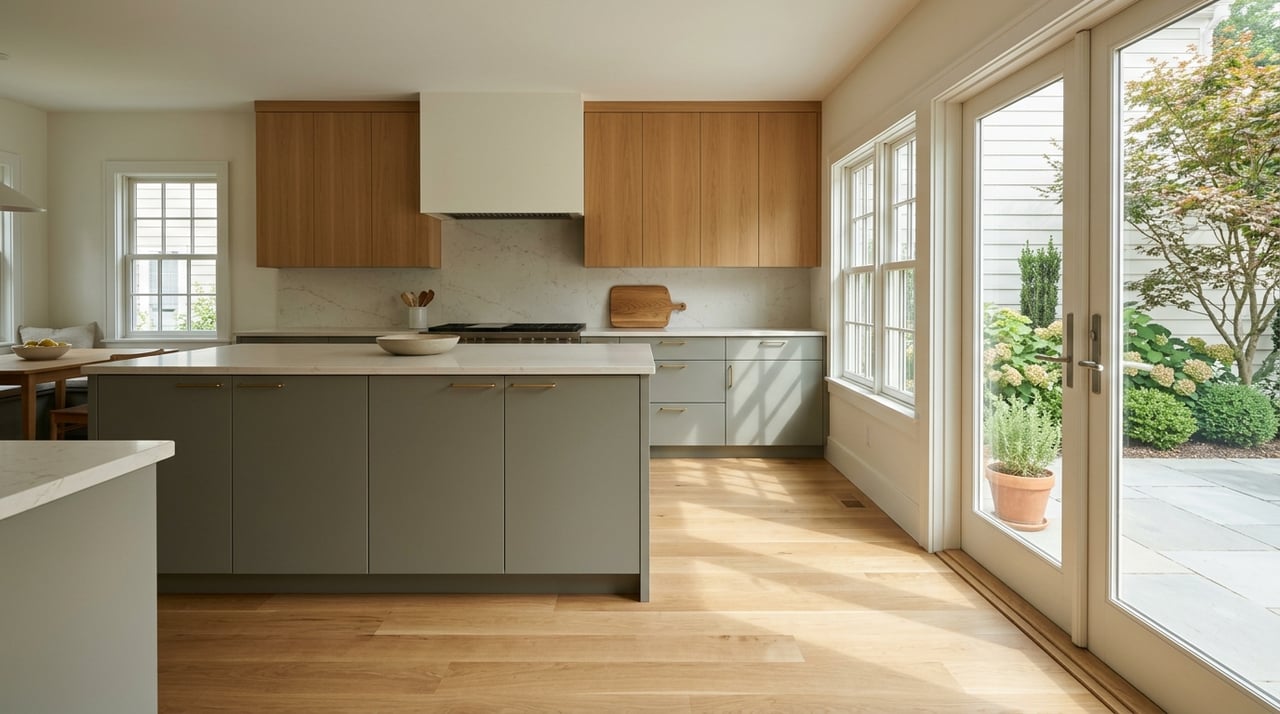
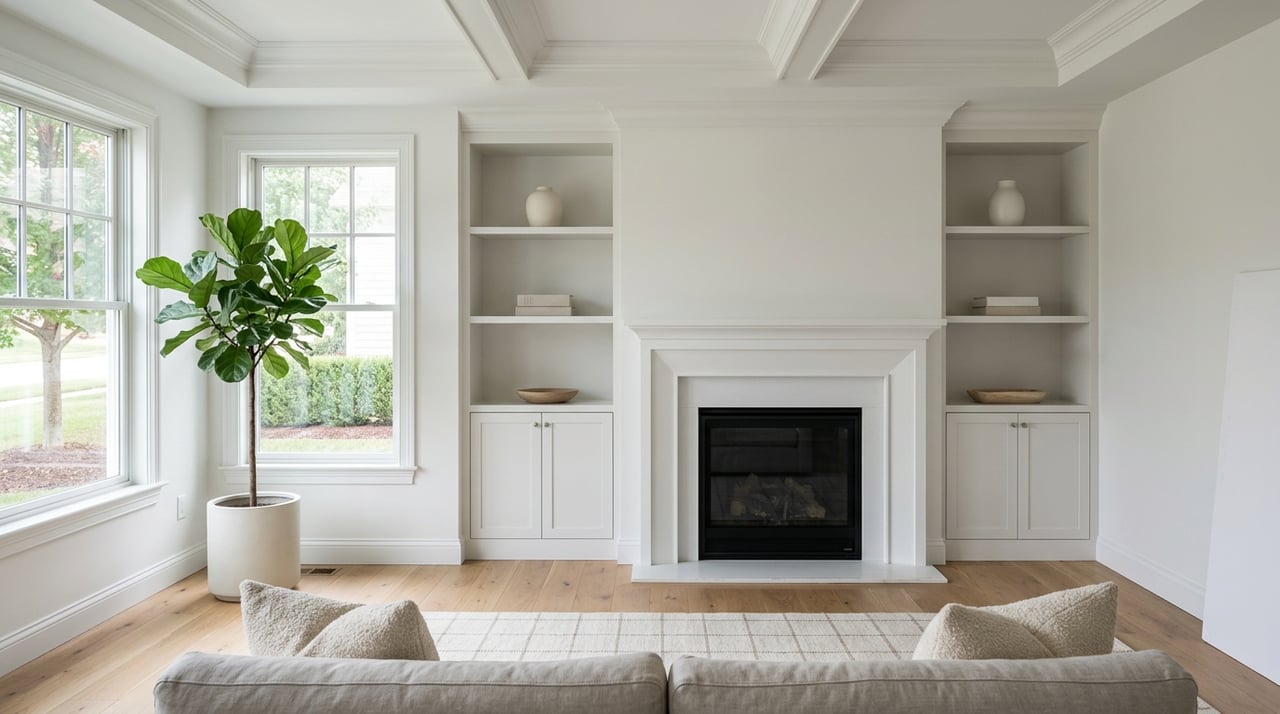
One of the biggest draws of a newer home is often practical rather than cosmetic. More recent construction may mean fewer immediate questions about aging systems, replacement timelines, or whether past improvements were layered on over time.
That does not mean every newer home is maintenance-free. It does mean the age of major components may be easier to track.
Attached and multifamily options
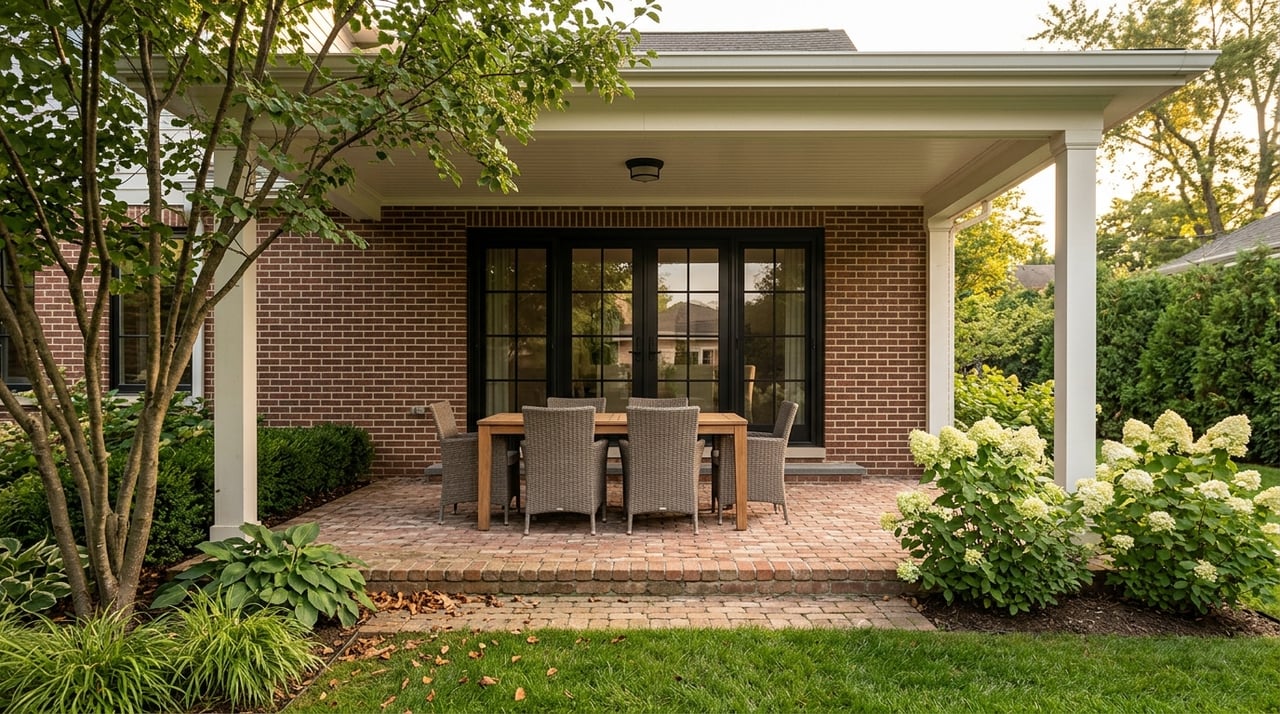
Towson’s housing data shows a substantial share of attached homes and multifamily units. So if you are targeting newer housing, your options may include townhomes, condos, or other attached formats in addition to detached homes.
For some buyers, that is a benefit. If you want a more recent build and are flexible on property type, your search may open up.
Newer Homes: What to Keep in Mind
A newer build is not automatically the better choice. In Towson, the smaller share of newer inventory can limit options on location, lot size, or architectural style.
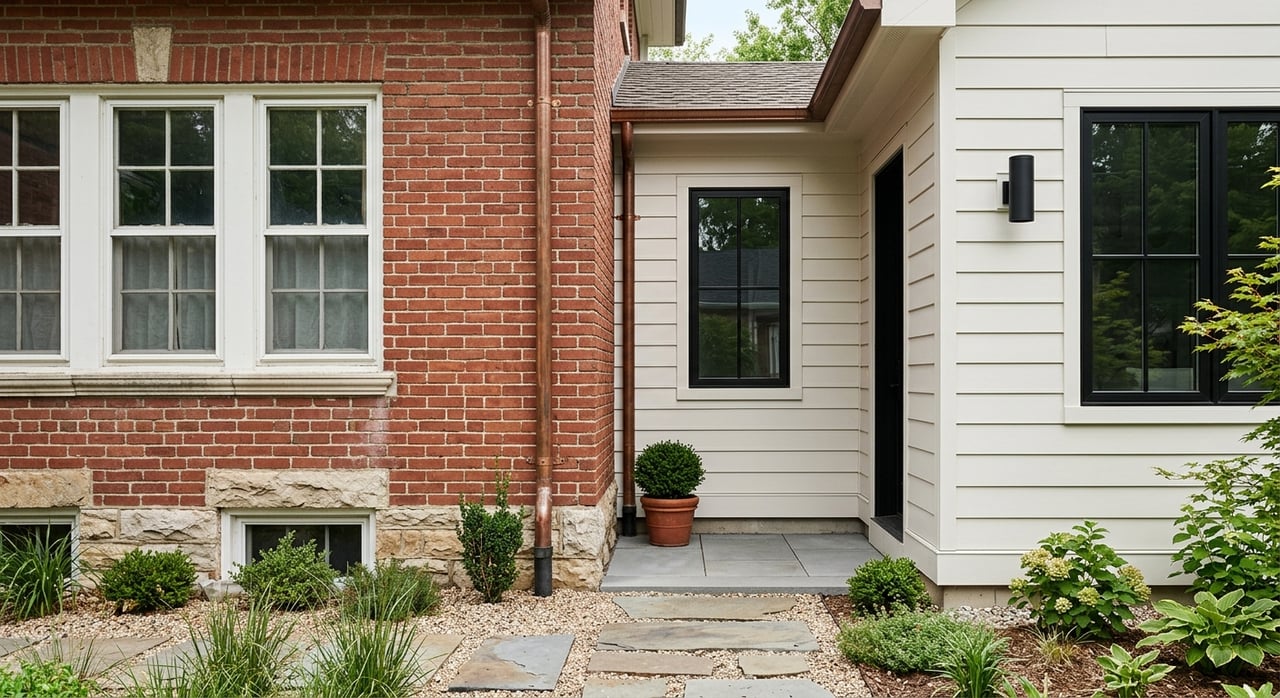
You may also find that some of the most appealing “newer” choices are actually older homes with substantial updates. In that case, your job is to separate cosmetic renovation from meaningful system improvements.
New does not always mean detached
If you picture newer housing as a detached single-family home, Towson may not always line up with that expectation. Given the local mix, some newer options may be attached or part of a larger residential building.
That is not a negative. It is simply an important part of setting realistic expectations before you begin your search.
Historic Status Can Change the Equation
In Towson, historic status can be one of the biggest factors when buying an older home. Baltimore County’s historic preservation guidelines state that exterior alterations to landmark structures or properties in a county historic district are subject to Landmarks Preservation Commission review.
The county also notes that work such as roofs, gutters, siding, windows, doors, porches, fences and walls, hardscaping, solar panels, pools, additions, and demolition may require review. If a property is historically designated, your future plans for changes to the exterior may involve another level of approval.
Possible tax credit opportunity
Baltimore County says it offers a historic rehabilitation property tax credit. For residential properties, the credit equals 20% of qualified rehabilitation expenses.
County guidance states that owner-occupied historic residential properties may qualify, that LPC approval must happen before work begins, and that permits must be obtained for completed work. If you are buying a designated historic property with renovation in mind, this is worth discussing early.
Questions to Ask When Touring Homes
Whether you prefer old or new, asking the right questions can save you time and stress later. In Towson, these are some of the most useful questions to bring to a showing or inspection process:
- What year was the home built?
- Which major systems have been replaced, and when?
- If the home predates 1978, is there lead inspection, lead certificate, or other lead-safe documentation?
- Were additions, decks, porches, fences, sheds, or hardscape projects permitted?
- If the property is historic, were exterior changes reviewed by the Landmarks Preservation Commission?
- What original materials remain, especially windows, siding, roofing, and porch elements?
- Is the property detached, attached, or part of a larger multifamily structure?
These questions can help you compare homes more clearly, especially when one property is rich in character and another is more recent or more heavily updated.
Which Choice Fits You Best?
If you love charm, architectural variety, and homes with a strong sense of place, an older Towson home may be the right fit. You just need to go in with a careful eye for condition, documentation, and any historic or lead-related considerations.
If you want more recent systems, simpler maintenance expectations, or a more updated feel, a newer home or well-renovated property may suit you better. In Towson, that search may also include attached homes and condos, not just detached houses.
The best choice usually comes down to how you live, how much project risk you are comfortable with, and how important character versus convenience is to you. In a market with a large established housing base, clarity matters more than assumptions.
If you are weighing older versus newer homes in Towson, a local strategy can make the search much easier. Alexandra Ryan and Rosewood Home Group can help you compare property types, spot important questions early, and move forward with confidence.
FAQs
What percentage of Towson homes are older homes?
- According to the 2020 to 2024 ACS profile, 68.5% of Towson housing units were built in 1979 or earlier, and 20.2% were built before 1950.
Are newer homes common in Towson, MD?
- Newer homes are a smaller part of the market. The ACS profile shows 17.1% of Towson housing units were built in 2000 or later, and 10.3% were built in 2010 or later.
What should you ask about an older Towson home before buying?
- Ask about the build year, major system replacements, lead inspection or lead-safe documentation for pre-1978 homes, permit history, and whether any historic review applied to exterior changes.
Why does historic status matter for Towson homes?
- Baltimore County says exterior work on landmark structures or properties in a county historic district may be subject to Landmarks Preservation Commission review, including items like windows, siding, porches, roofs, additions, and demolition.
Can a historic home in Towson qualify for a tax credit?
- Baltimore County says owner-occupied historic residential properties may qualify for a historic rehabilitation property tax credit equal to 20% of qualified rehabilitation expenses, with approval requirements that begin before work starts.
Are newer Towson homes only detached houses?
- No. Towson has a mix of detached homes, attached homes, and multifamily housing, so newer options may include townhomes, condos, or other attached formats as well as detached homes.