If you picture Annapolis as a place you only visit on a sunny Saturday, you may be missing what makes it special. For many residents, life near the water is not just about sailboats and postcard views. It is about walkable routines, neighborhood character, seasonal traditions, and everyday access to the harbor. If you are thinking about buying or selling in Annapolis, understanding that daily rhythm can help you find the right fit. Let’s dive in.
What waterfront living means in Annapolis
In Annapolis, waterfront life is woven into the city rather than tucked into one isolated neighborhood. City Dock, Main Street, Spa Creek, and Eastport all play a role in how people move through the day. That gives the city a more connected, lived-in feel than you might expect.
The waterfront also works on more than one level. It is scenic, social, and practical at the same time. The city’s harbor system includes moorings, slips, street-end landings, and dinghy docks, so the water is part of daily use, not just a backdrop.
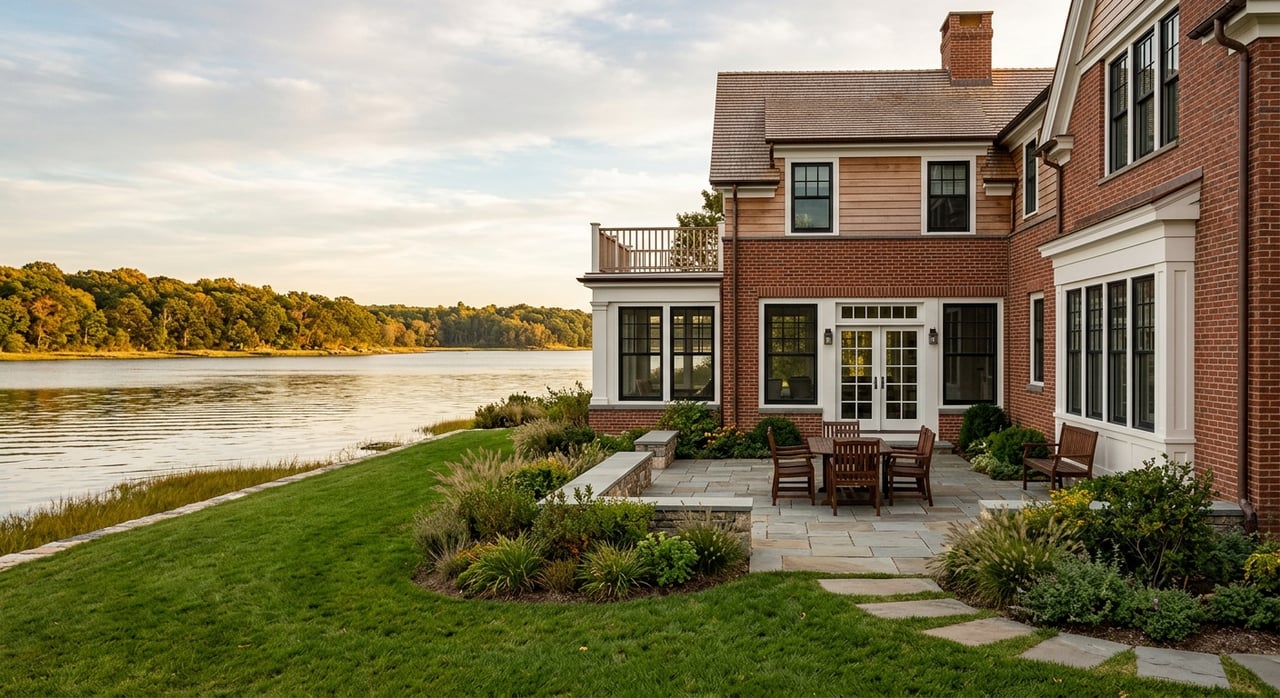
You do not need a boat to enjoy that lifestyle. Walkable streets, harbor views, public access points, and waterfront dining make the water feel present even if you never leave land.
Downtown Annapolis daily life
Downtown Annapolis centers on Main Street, City Dock, and the harbor edge. This area is known for its walkable layout, historic setting, and close mix of shops, restaurants, galleries, and water views. If you live nearby, errands and outings can feel more spontaneous and less tied to your car.
That rhythm is a big part of the appeal. You can start the day with a walk near the harbor, meet friends downtown, and end with views of activity on the water. For many buyers, that mix of convenience and atmosphere is what sets Annapolis apart.
There is also energy here throughout the year. Because downtown sits at the center of the waterfront, it often feels active, especially during boating season and major events.
Eastport's strong maritime feel
If you want one of the clearest examples of everyday life near the water, Eastport often stands out. It sits just across Spa Creek from downtown and is connected by a short walk over the Spa Creek Bridge or a quick water-taxi ride. That close link gives you easy access to downtown while still offering its own neighborhood identity.
City planning materials describe Eastport as mostly residential with single-family detached housing. At the same time, it also includes maritime uses, restaurants, and local commercial activity along the waterfront. That combination helps Eastport feel both neighborhood-scaled and deeply tied to the harbor.
For many people, Eastport represents the most distinctly maritime side of Annapolis living. You are close to Spa Creek, close to waterfront restaurants, and close to the city's boating culture without feeling removed from everyday residential life.
Other neighborhoods near the water
Annapolis is not one single waterfront experience. Several nearby areas offer different versions of what living near the water can feel like, depending on how much activity, walkability, or quiet you want.
Murray Hill offers a quieter setting
Murray Hill sits between West Street and Spa Creek and is often seen as a quieter adjacent option. It is known for historic homes and established gardens. If you want access to the core of Annapolis without being right in the middle of its busiest areas, this neighborhood may appeal to you.
West Annapolis feels village-like
West Annapolis has a more local, village-like feel. It is described as a cozy city-adjacent neighborhood with cafés, shops, and a strong neighborhood business identity. For buyers who like Annapolis but want a slightly less tourist-oriented setting, West Annapolis can offer a different pace.
Bay Ridge and Forest Drive feel broader
The Bay Ridge and Forest Drive corridor is broader and more suburban in scale. City planning documents point to this area as one with potential for additional mixed commercial and residential development. If you want a waterfront-adjacent location with a different scale than the historic core, this area may be worth exploring.
Housing variety near the waterfront
One of the biggest misconceptions about Annapolis is that waterfront living means one look, one price point, or one type of home. In reality, the city’s zoning and planning framework shows a mix of residential, commercial, mixed-use, and Waterfront Maritime Conservation districts within the historic core.
That matters because it helps explain why Annapolis can feel both residential and lively at once. You may find homes near active commercial areas, properties in primarily residential settings, or locations where maritime activity is part of the backdrop. The market is layered, which can be a real advantage if you want options.
For buyers, this means your search should start with lifestyle priorities, not just a map pin. For sellers, it means positioning your home around how it lives day to day can be just as important as highlighting proximity to the water.
Boating without owning a boat
A big question many people ask is whether you need to be a boater to enjoy Annapolis. The short answer is no. The city’s public waterfront system gives residents multiple ways to connect with the harbor, even if they do not own a boat.
The Harbormaster oversees public and private moorings, City Dock slips, park docks, and street-end landings across more than 17 miles of shoreline. The city also maintains dinghy docks at 22 street endings, with most small vessels limited to 12 feet. That layered access makes the harbor feel like part of everyday city life.
Even if you never use the docks yourself, the presence of that working waterfront shapes the city’s identity. You see boats moving through the harbor, people using public access points, and neighborhoods that feel connected to the water in practical ways.
Dining and events shape the lifestyle
In Annapolis, the water is not only where people go. It is also how people gather. Waterfront and water-oriented dining are part of the local routine, whether you are planning a date night, meeting family, or grabbing a casual meal near the harbor.
Regional dining highlights mentioned by Visit Annapolis include waterfront seafood and crab-house options, along with spots like Carrol’s Creek Cafe, Vin 909 in Eastport, and Dock Street Bar and Grill overlooking downtown waterfront activity. These places help reinforce how often daily life and harbor views overlap.
Seasonal events also shape the experience of living here. The Annapolis Boat Shows, the Rotary Club of Annapolis Crab Feast, the Eastport Yacht Club Lights Parade, and the First Sunday Arts Festival all bring people into the streets and onto the waterfront throughout the year.
For residents, that means the city often feels event-driven in a good way. There is a strong local calendar, and neighborhoods like Eastport and Murray Hill even become popular viewing areas during the winter boat parade.
Getting around in Annapolis
If you are considering a move, it helps to understand how transportation works in practice. Annapolis does have regional commuter bus service to Washington, Baltimore, and BWI. At the same time, the city does not have rail access to Washington or Baltimore, which is an important part of the commuting picture.
Within the city, transportation is more flexible than many people expect. Annapolis offers fixed-route buses, a free downtown shuttle, on-demand Go! Time service, and a free weekend electric trolley in the spring and summer that runs every 10 minutes. If you live near the core, these options can support a more car-light routine.
That said, parking is one of the biggest tradeoffs in the historic waterfront area. Downtown garages, lots, and meters help, and the city adds shuttle service during peak weekends and major events. Still, if you are drawn to the heart of Annapolis, it is smart to expect some planning during busy seasons.
Practical tradeoffs of life near the water
Every lifestyle comes with tradeoffs, and waterfront living in Annapolis is no exception. The biggest daily considerations tend to be parking, event traffic, and the extra planning that comes with a busy historic core. For some people, that energy is part of the charm. For others, it may mean looking just outside the center.
Another real-world factor is flood resilience. The City Dock Resiliency Project is underway to help protect the historic waterfront from sea-level rise and recurrent flooding. As that work continues, some City Dock amenities are currently suspended.
This does not take away from Annapolis’s appeal, but it does show why local guidance matters. When you understand both the advantages and the practical details, you can make a more confident decision about where and how you want to live.
How to choose the right waterfront-adjacent area
If you are trying to narrow your search, start by thinking about your daily routine. Do you want to walk to dining and harbor activity? Do you prefer a residential setting with easy access to the waterfront? Or do you want a broader, more suburban feel while staying connected to Annapolis?
A simple way to think about it is this:
- Downtown and City Dock often appeal to people who want maximum walkability and constant connection to the harbor
- Eastport often appeals to buyers who want a residential neighborhood with a strong maritime feel
- Murray Hill may suit those looking for a quieter setting near Spa Creek
- West Annapolis may fit buyers who like a village-style atmosphere with local businesses
- Bay Ridge and Forest Drive may work for those who want a different scale and a more suburban pattern
The best fit depends on how you want your week to look, not just your weekend. That is often the key to choosing well in Annapolis.
If you are considering a move to Annapolis or preparing to sell a home near the water, working with a local team can help you see beyond the brochure version of the market. For tailored guidance on Annapolis neighborhoods, buyer strategy, or positioning your home for today’s market, connect with Alexandra Ryan.
FAQs
Do you need a boat to enjoy waterfront life in Annapolis?
- No. Annapolis offers walkable harbor areas, public docks, dinghy docks, and water-oriented dining that make the waterfront part of daily life even for non-boaters.
Which Annapolis neighborhood feels most maritime?
- Eastport is often the strongest match for a maritime feel because it is closely tied to Spa Creek, the harbor, waterfront restaurants, and neighborhood-scale residential living.
What is the biggest tradeoff of living near City Dock in Annapolis?
- Parking and event traffic are the main day-to-day tradeoffs in the historic core, especially during festivals, boating season, and busy weekends.
What kinds of homes are found near the Annapolis waterfront?
- The area includes a mix of residential, commercial, mixed-use, and waterfront conservation areas, so you will find more than one housing style and neighborhood pattern.
Is Annapolis a good fit for commuters?
- Annapolis offers regional commuter bus service to Washington, Baltimore, and BWI, but it does not have rail access to Washington or Baltimore, so commute planning is important.
How does the City Dock project affect daily life in Annapolis?
- The City Dock Resiliency Project is designed to protect the historic waterfront from recurrent flooding and sea-level rise, and some amenities at City Dock are currently suspended during the work.